
Projects

Effects of Chronic Wasting Disease
on Deer Populations in Arkansas

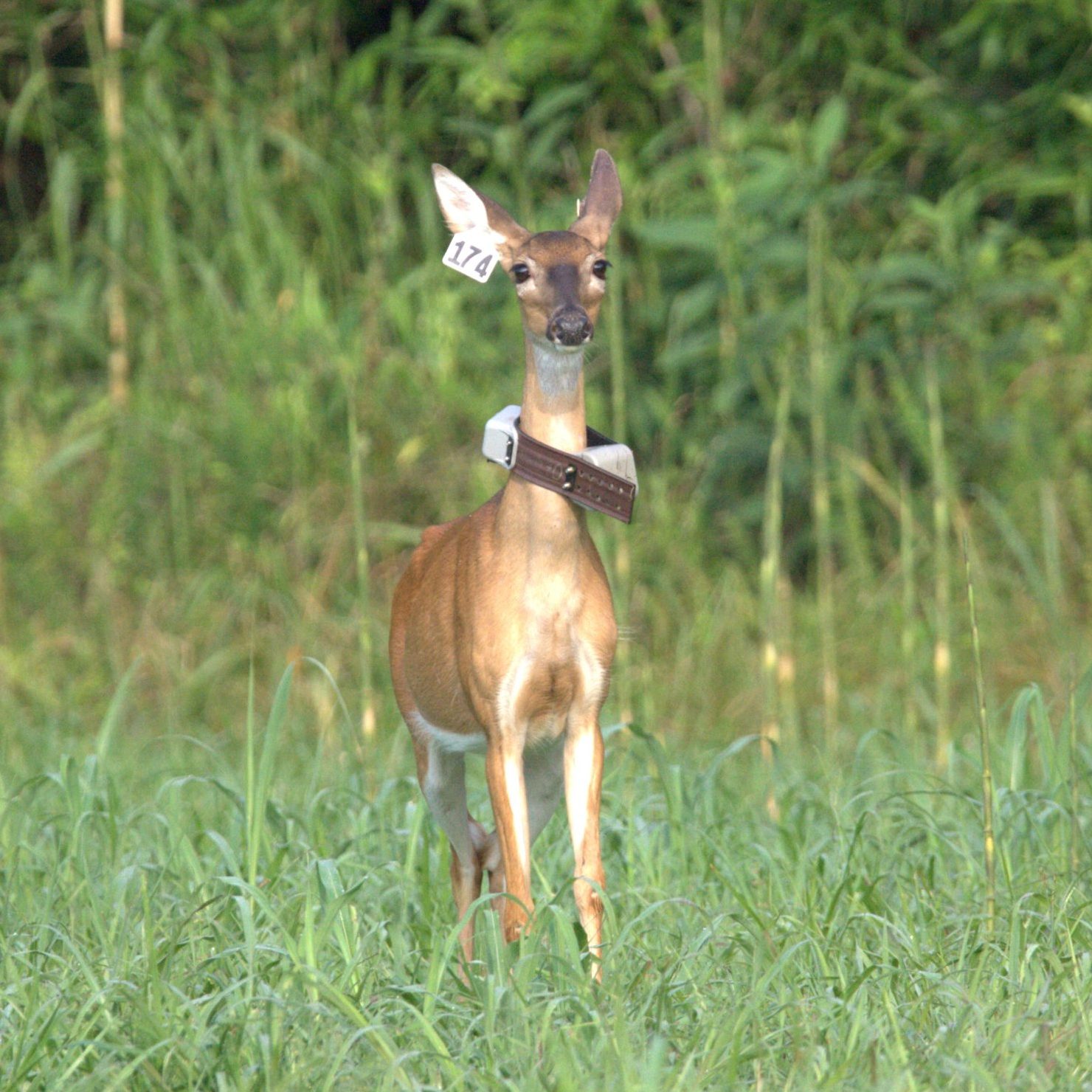
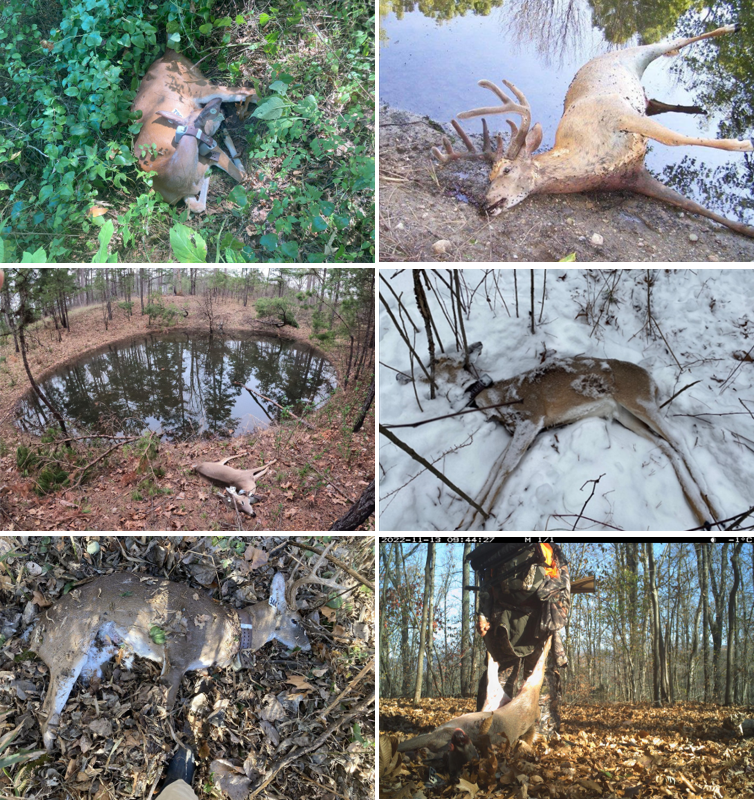
Chronic wasting disease (CWD) is a fatal neurological disease of deer discovered in 1967 in Colorado. In 2015, CWD was detected in elk in northwestern Arkansas, and in 2016 CWD was detected in white-tailed deer in the same region. Later testing indicated that CWD was in the state for decades and at high disease prevalence (>20%) in deer within a 10-county region in northern Arkansas. Hunting is the primary method used to manage deer populations throughout Arkansas, and the state wildlife agency has enacted several hunting regulations to minimize spread of CWD and reduce accumulation of CWD prions (infectious proteins) in the CWD-management zone. However, no previous field studies have been conducted to demonstrate the efficacy of hunting as a CWD control technique. Deer populations with CWD at high disease prevalence appear to be more susceptible to population declines. Efforts to control, contain, and monitor CWD in deer populations must be balanced with the potential for long-term recreational hunting opportunities. However, little is known about how CWD alters deer population numbers and quality. This project required the capture and monitoring of over 400 deer for the study and maintained grids of 273 trail cameras to estimate deer numbers.
  1. Estimate the abundance of white-tailed deer in the CWD management zone of northwestern Arkansas.

  2. Examine survival and recruitment of white-tailed deer in the CWD management zone and compare these parameters between CWD-positive and deer presumed to be negative for CWD.

  3. Examine movement and home range size of white-tailed deer within the CWD management zone and to compare these measures between CWD-positive and deer presumed to be negative for CWD.

  4. Calculate infection rates of CWD in white-tailed deer by age class and sex.

  5. Calculate mortality rates and determine causes of mortality for CWD-positive deer and deer presumed to be negative for CWD.

  6. Predict current and future population trends in deer the presence of CWD to help inform future management decisions as directed by the Arkansas Game and Fish Commission.
  • Dr. Michael Chamberlain
  • Dr. Gino D’Angelo
  • Dr. Richard Chandler
  • Dr. Mark Ruder (Southeastern Cooperative Wildlife Disease Study)
  • Dr. Marcelo Jorge
  • Lisa Jorge
  • Dana Jarosinski
  • Dr. Heather Gaya
  • Arkansas Game and Fish Commission
  • Cabela Family Foundation
  • Boone and Crockett Club
  • CWD Alliance

Project Objectives

  1. Estimate the abundance of white-tailed deer in the CWD management zone of northwestern Arkansas.
  2. Examine survival and recruitment of white-tailed deer in the CWD management zone and compare these parameters between CWD-positive and deer presumed to be negative for CWD.
  3. Examine movement and home range size of white-tailed deer within the CWD management zone and to compare these measures between CWD-positive and deer presumed to be negative for CWD.
  4. Calculate infection rates of CWD in white-tailed deer by age class and sex.
  5. Calculate mortality rates and determine causes of mortality for CWD-positive deer and deer presumed to be negative for CWD.
  6. Predict current and future population trends in deer the presence of CWD to help inform future management decisions as directed by the Arkansas Game and Fish Commission.

Researchers

  • Dr. Michael Chamberlain
  • Dr. Gino D’Angelo
  • Dr. Richard Chandler
  • Dr. Mark Ruder (Southeastern Cooperative Wildlife Disease Study)
  • Dr. Marcelo Jorge
  • Lisa Jorge
  • Dana Jarosinski
  • Dr. Heather Gaya

Funding

  • Arkansas Game and Fish Commission
  • Cabela Family Foundation
  • Boone and Crockett Club
  • CWD Alliance