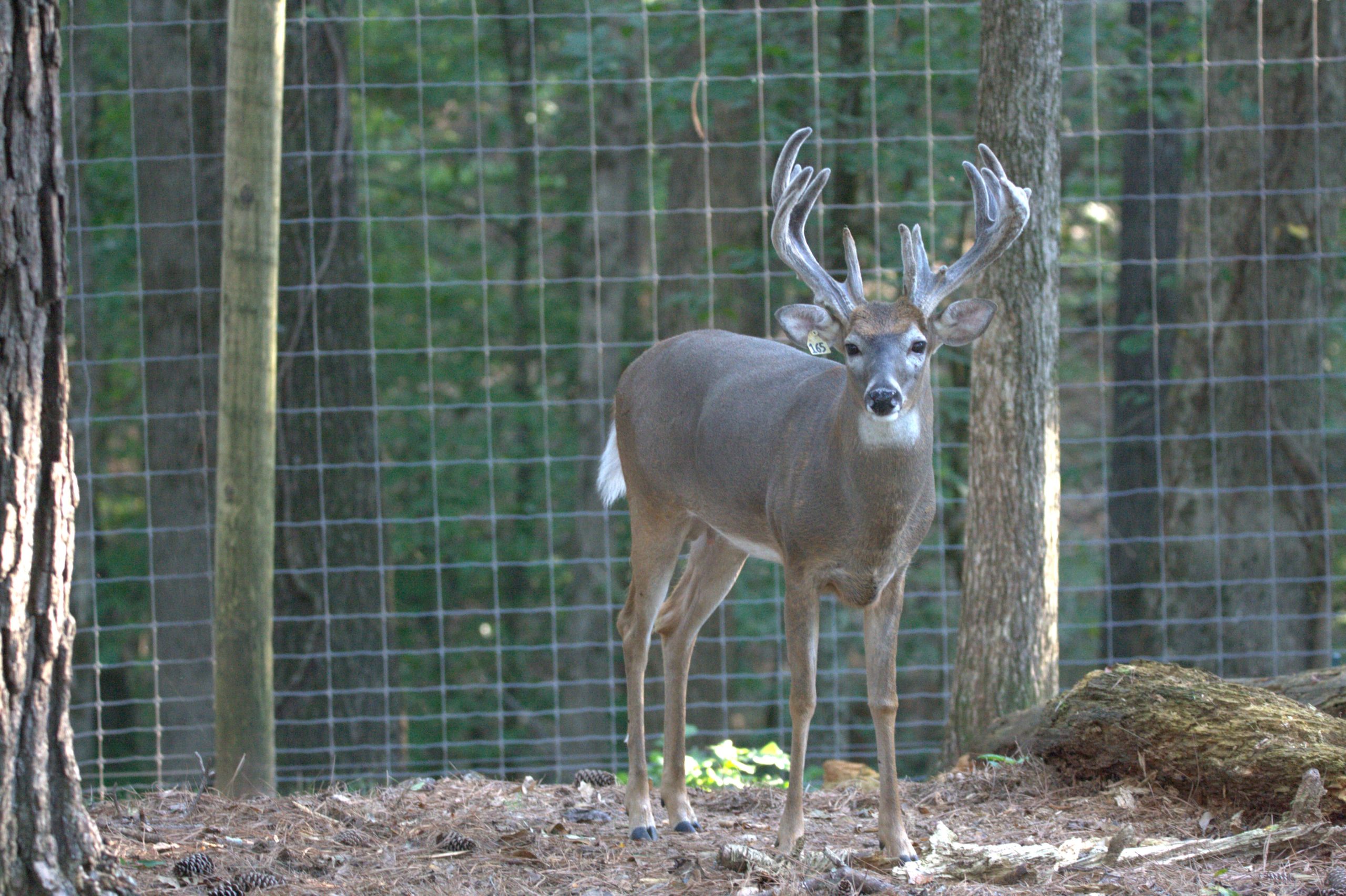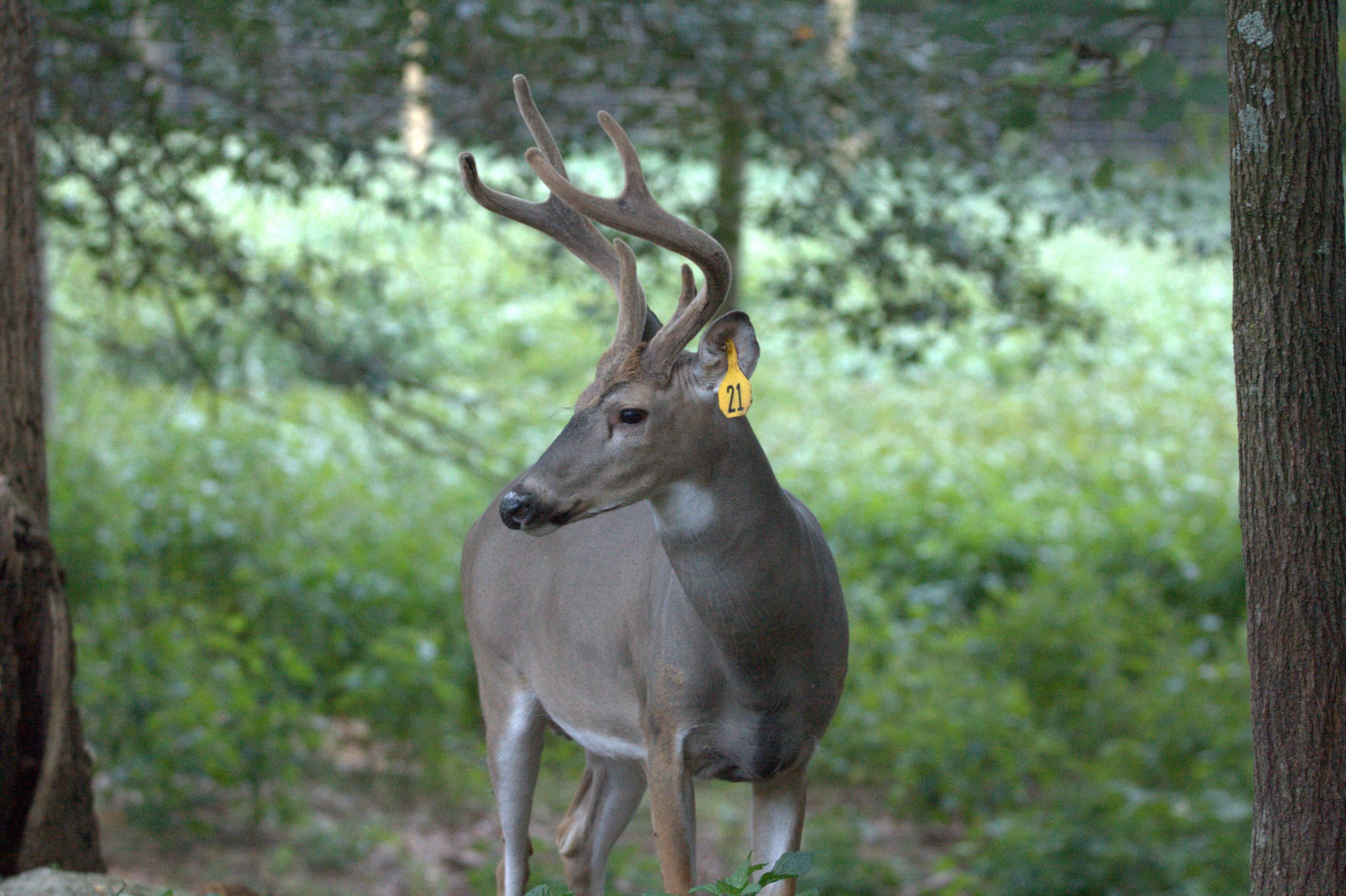
A 6-acre controlled research environment supporting long-term studies of deer behavior, physiology, reproduction, and population management.
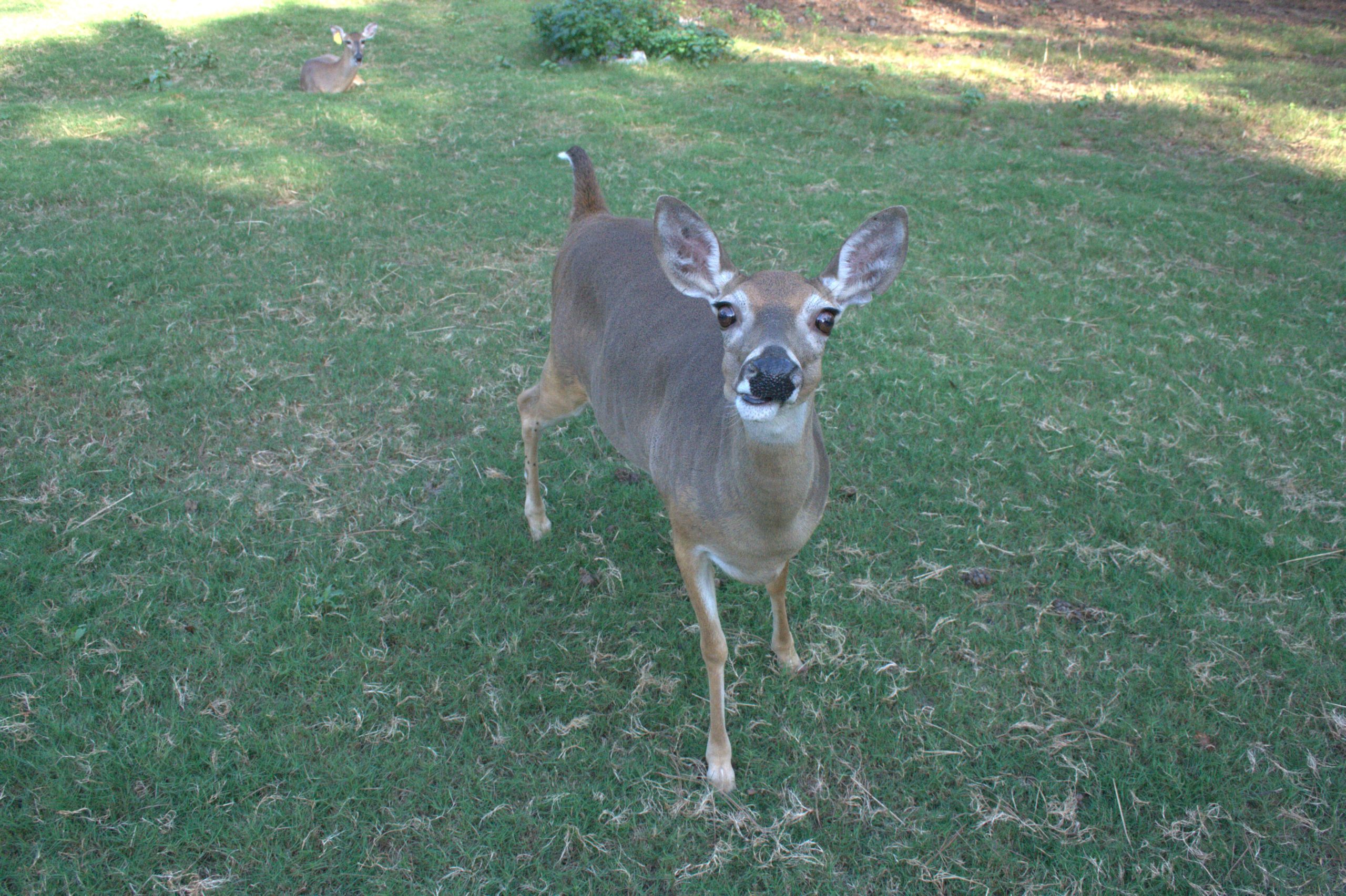
The Whitehall Deer Research Facility is located within Whitehall Forest which is owned and managed by the Warnell School of Forestry and Natural Resources at the University of Georgia. Deer research at UGA began in the early 1950s, with the first captive deer herd maintained at Whitehall in about 1968. The research complex encompasses about 6 acres and maintains 40-100 white-tailed deer. The deer handling facility consists of a 20-stall barn surrounded by fenced enclosures along with a state-or-the-art deer handling system.
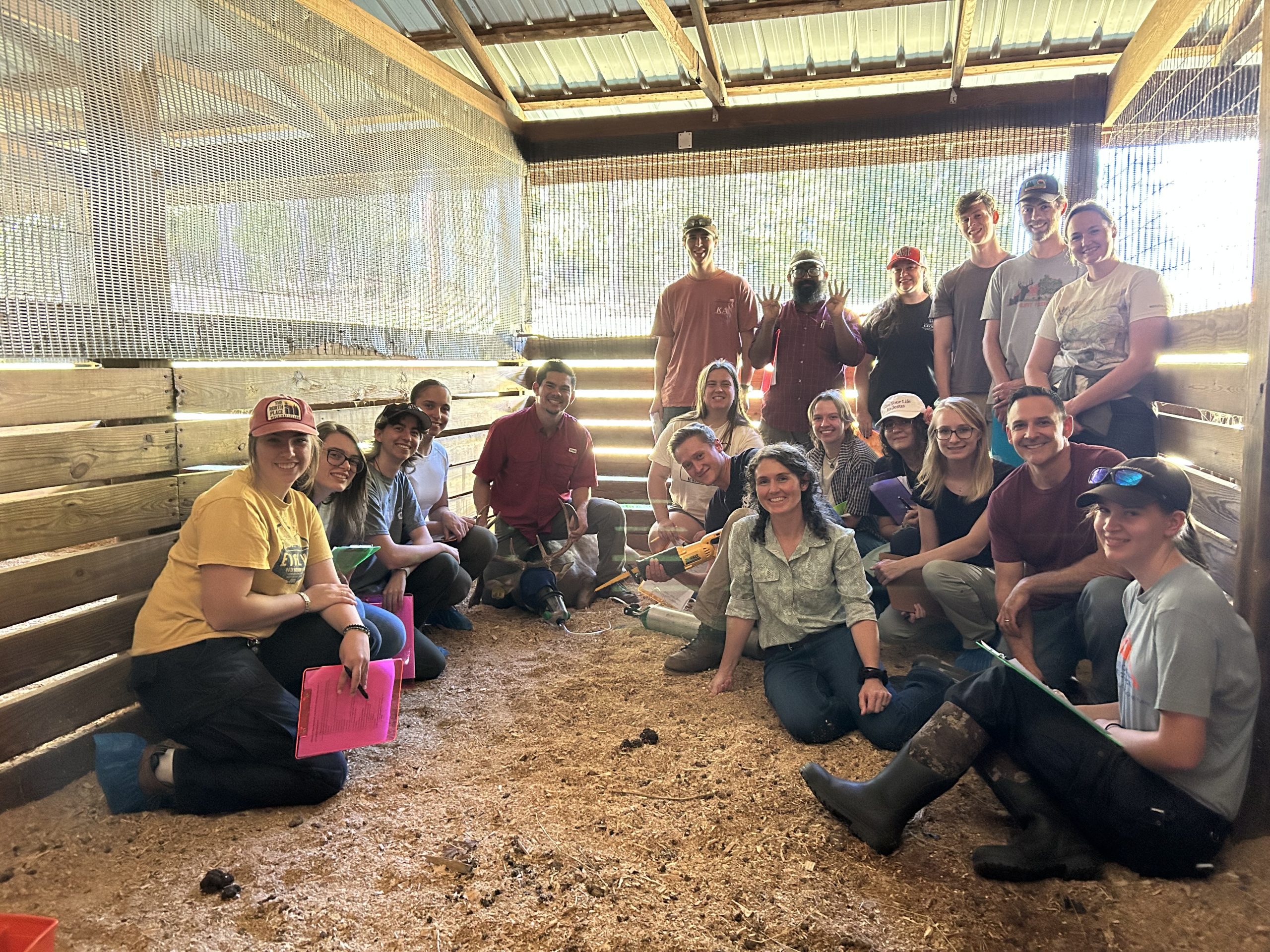
The facility’s primary charge is to advance deer research to improve management of wild, free-ranging deer populations. The facility provides a controlled environment to investigate deer biology and physiological abilities, and a testing grounds for techniques used on larger field studies across the country. Graduate and undergraduate students participate in research, learn about deer biology, and gain experience providing husbandry to animals. The facility serves as an important venue for outreach education, hosting a variety of groups including public organizations, school children, natural resource managers, and scientists.
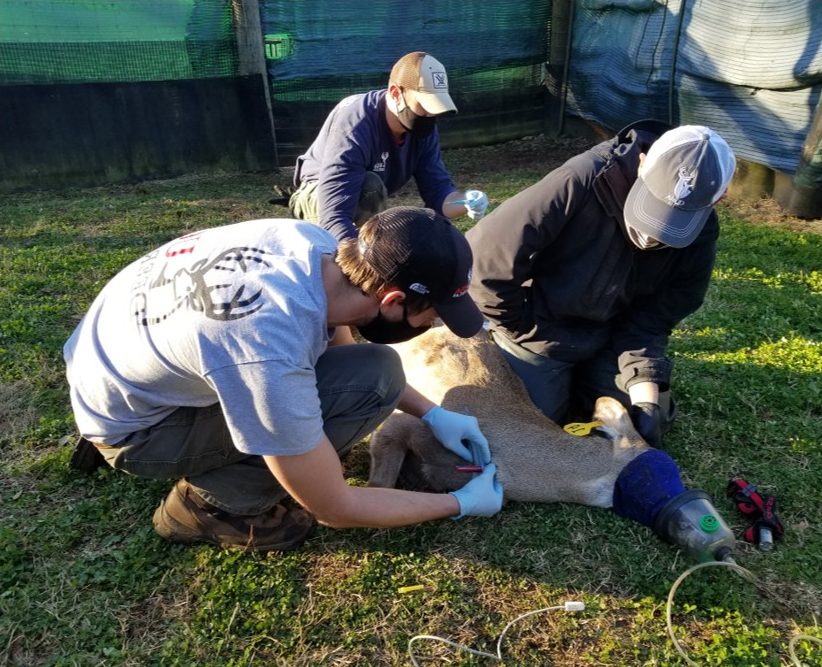
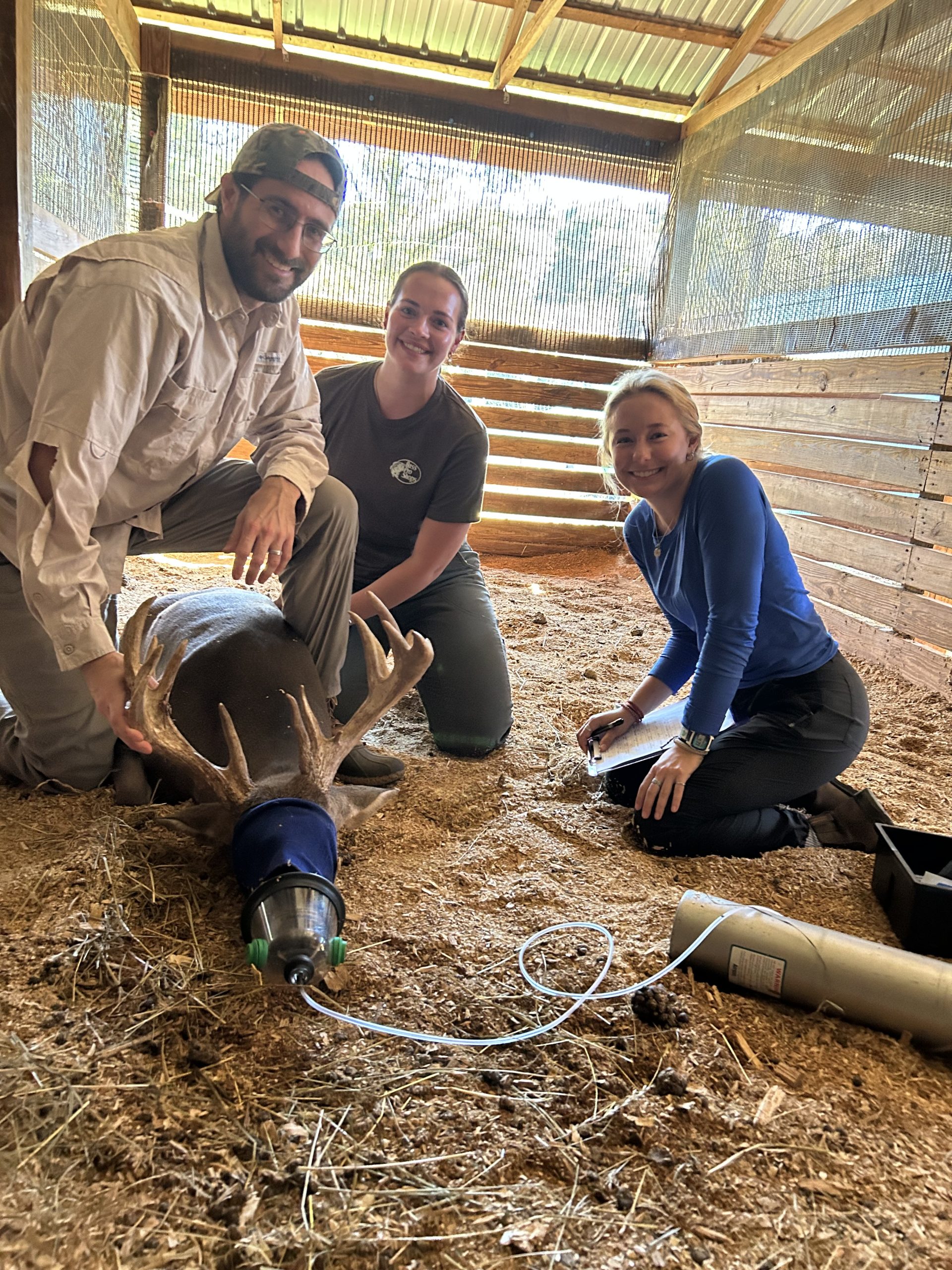
Research at the facility has been key in understanding white-tailed deer physiological processes and behaviors, scent and vocal communications, visual and hearing capabilities, disease agents, population social structure, use of strategies to manage deer populations in urban areas, use of various drugs and devices to capture or restrain deer, new research technologies, feeding preferences, and plant repellents.
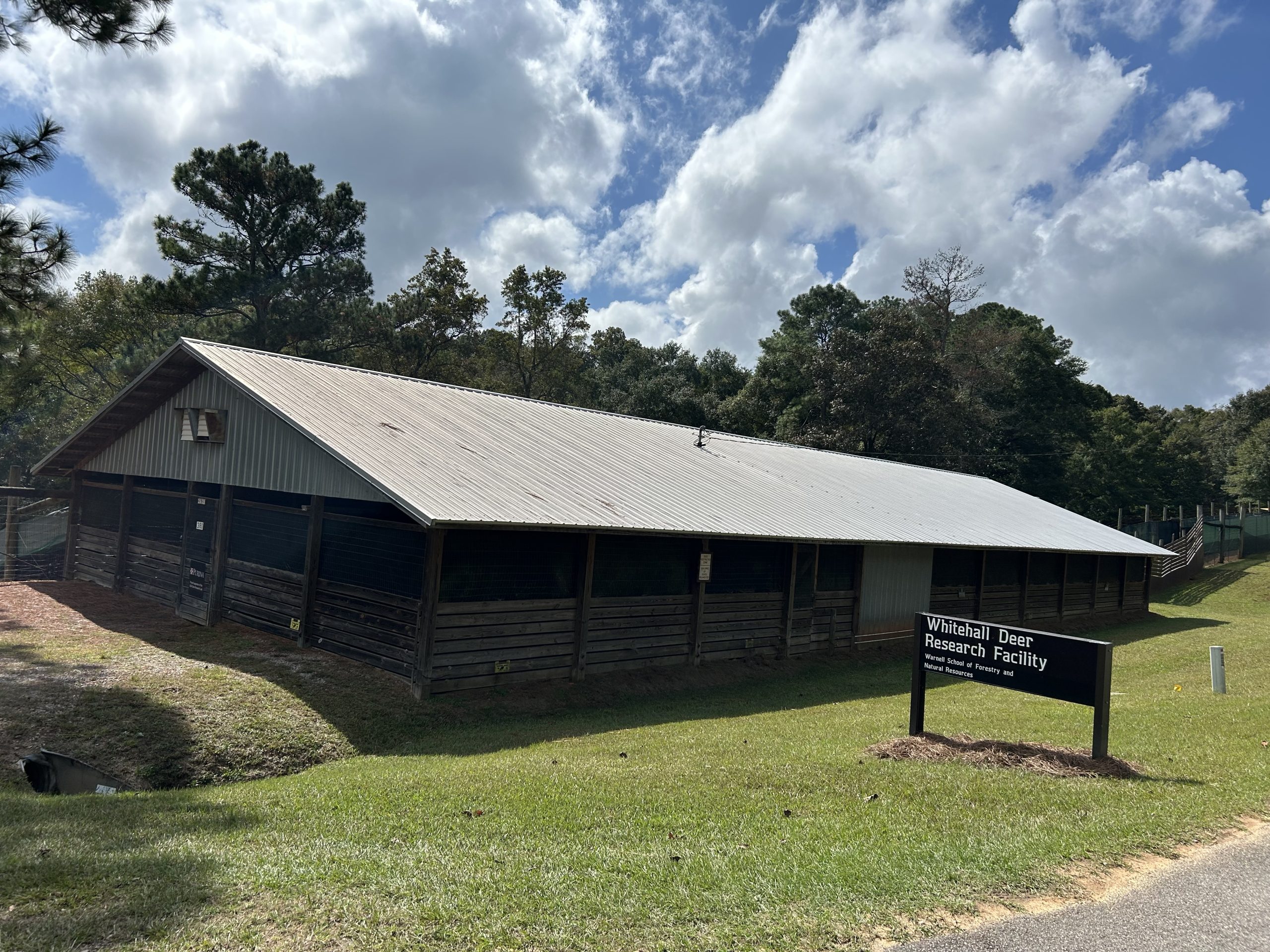
The Whitehall Deer Research Facility is located within Whitehall Forest which is owned and managed by the Warnell School of Forestry and Natural Resources at the University of Georgia. Deer research at UGA began in the early 1950s, with the first captive deer herd maintained at Whitehall in about 1968. The research complex encompasses about 6 acres and maintains 40-100 white-tailed deer. The deer handling facility consists of a 20-stall barn surrounded by fenced enclosures along with a state-or-the-art deer handling system.
The facility’s primary charge is to advance deer research to improve management of wild, free-ranging deer populations. The facility provides a controlled environment to investigate deer biology and physiological abilities, and a testing grounds for techniques used on larger field studies across the country. Graduate and undergraduate students participate in research, learn about deer biology, and gain experience providing husbandry to animals. The facility serves as an important venue for outreach education, hosting a variety of groups including public organizations, school children, natural resource managers, and scientists.
Research at the facility has been key in understanding white-tailed deer physiological processes and behaviors, scent and vocal communications, visual and hearing capabilities, disease agents, population social structure, use of strategies to manage deer populations in urban areas, use of various drugs and devices to capture or restrain deer, new research technologies, feeding preferences, and plant repellents.