Projects

Human Dimensions Research to Minimize Spread of Chronic Wasting Disease

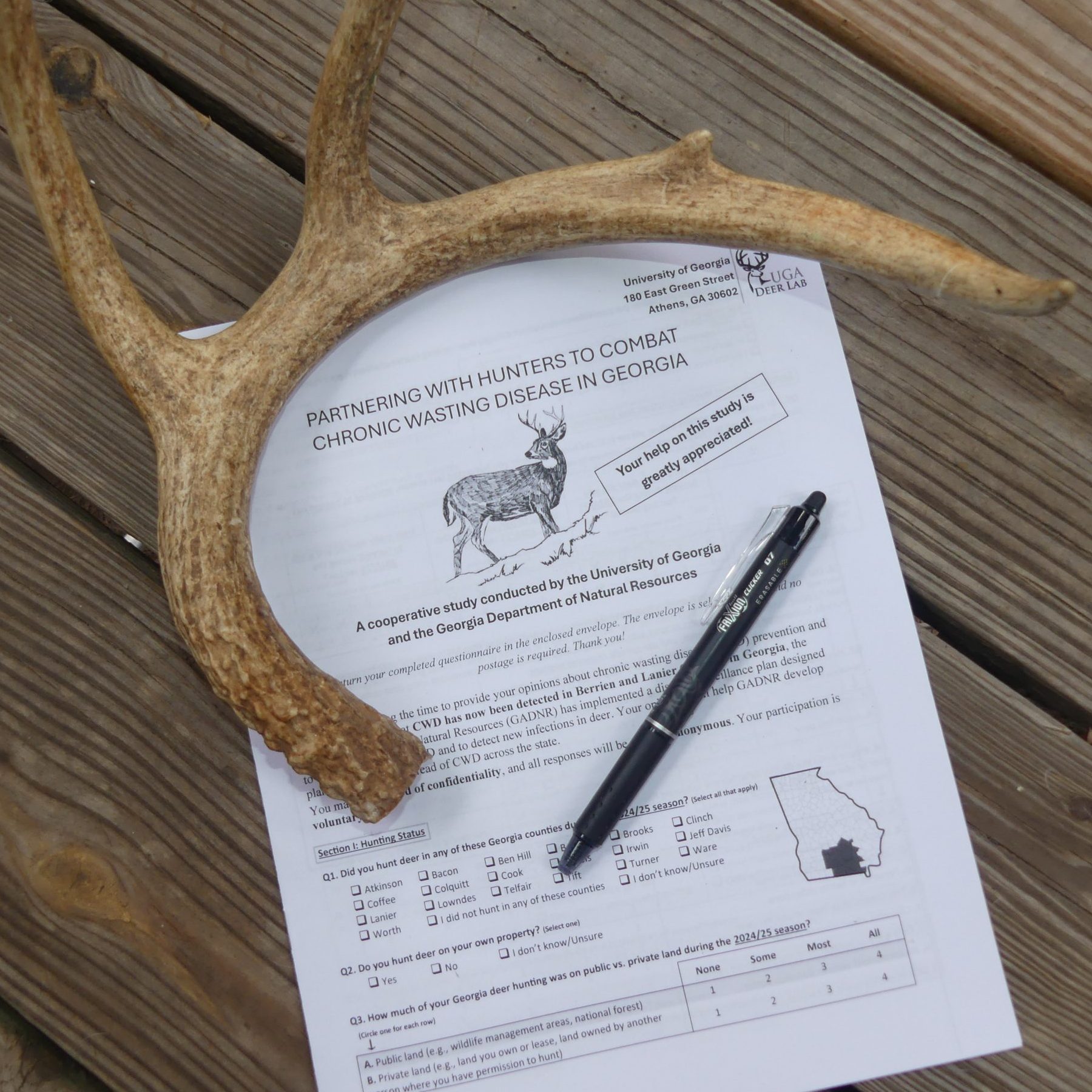
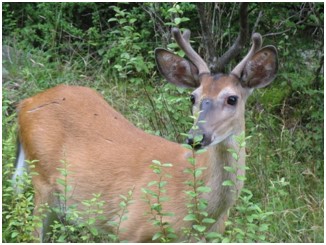
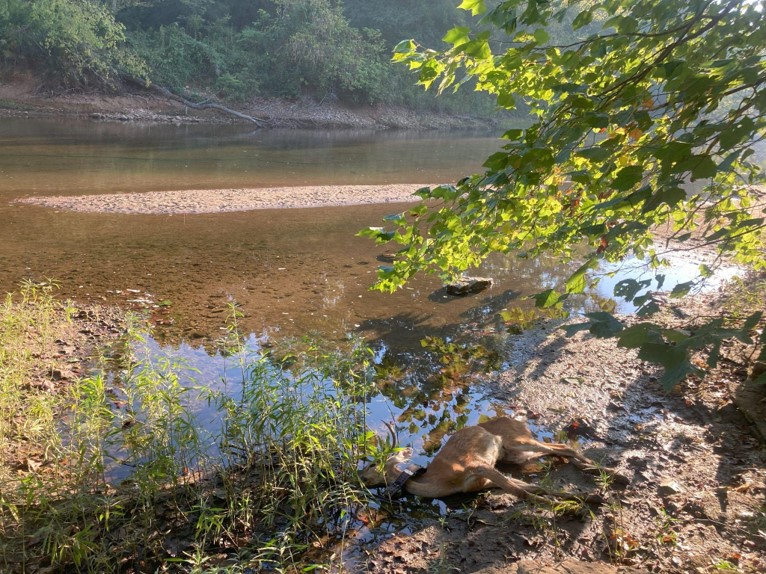
Chronic wasting disease (CWD) is a fatal neurological disease that affects members of the deer family such as white-tailed deer, elk, and moose. As of 2025, CWD has been detected in 36 U.S. states and internationally. CWD was first detected in Georgia in 2025. For white-tailed deer, the process for monitoring and preventing the spread of CWD throughout much of the white-tailed deer’s range has often been reactive and evolved on an as-needed basis. To help prevent the spread of CWD in Georgia, the UGA Deer Lab, in collaboration with the Georgia Department of Natural Resources aimed to proactively minimize disease risks through cooperative efforts with the public and partner agencies. It is vital that management agencies are prepared to communicate with hunters and other members of the public to aid in preventing CWD from spreading. This on-going research engages hunters to develop strategies for effective communication and cooperation (e.g., CWD sampling) that will be used to inform future surveillance and management efforts. 
  1. Through review of the primary literature and interviews with agency personnel from other states, identify key changes in communication strategies for state agencies before and after discovery of CWD within a state.
        
  2. Determine communication and management preferences of Georgia deer hunters relative to white-tailed deer management in Georgia to proactively minimize risks associated with CWD. 

  3. Determine baseline knowledge of CWD and preferences for hunters to voluntarily engage in CWD risk-reduction behaviors.
     
  4. Assess the efficacy of different educational messages about CWD preventative behaviors.

  5. Assess changes in CWD knowledge and risk-reduction behavior preferences after the implementation of a CWD educational campaign.

  6. Develop a framework for estimating county-level white-tailed deer abundance across Georgia using annual harvest data collected by the GADNR.

  7. Develop a user-friendly product that allows managers to estimate white-tailed deer abundance in future years. 
  • Dr. Gino D’Angelo
  • Dr. Bynum Boley
  • Dr. Amanda Van Buskirk
  • Dr. Heather Gaya
  • Dr. Kyle Smith
  • Rachel Correia (PhD Student)
  • Charlie Killmaster (Georgia Department of Natural Resources)
  • Dr. Tina Johannsen (Georgia Department of Natural Resources)
  • Dr. Chris Comer (Safari Club International Foundation)
  • Georgia Department of Natural Resources
  • Safari Club International Foundation
  • Warnell School of Forestry and Natural Resources

Project Objectives

  1. Through review of the primary literature and interviews with agency personnel from other states, identify key changes in communication strategies for state agencies before and after discovery of CWD within a state.   
  2. Determine communication and management preferences of Georgia deer hunters relative to white-tailed deer management in Georgia to proactively minimize risks associated with CWD. 

  3. Determine baseline knowledge of CWD and preferences for hunters to voluntarily engage in CWD risk-reduction behaviors.
     
  4. Assess the efficacy of different educational messages about CWD preventative behaviors.
     
  5. Assess changes in CWD knowledge and risk-reduction behavior preferences after the implementation of a CWD educational campaign.

  6. Develop a framework for estimating county-level white-tailed deer abundance across Georgia using annual harvest data collected by the GADNR.

  7. Develop a user-friendly product that allows managers to estimate white-tailed deer abundance in future years. 

Researchers

  • Dr. Gino D’Angelo
  • Dr. Bynum Boley
  • Dr. Amanda Van Buskirk
  • Dr. Heather Gaya
  • Dr. Kyle Smith
  • Rachel Correia (PhD Student)
  • Charlie Killmaster (Georgia Department of Natural Resources)
  • Dr. Tina Johannsen (Georgia Department of Natural Resources)
  • Dr. Chris Comer (Safari Club International Foundation)

Funding

  • Georgia Department of Natural Resources
  • Safari Club International Foundation
  • Warnell School of Forestry and Natural Resources