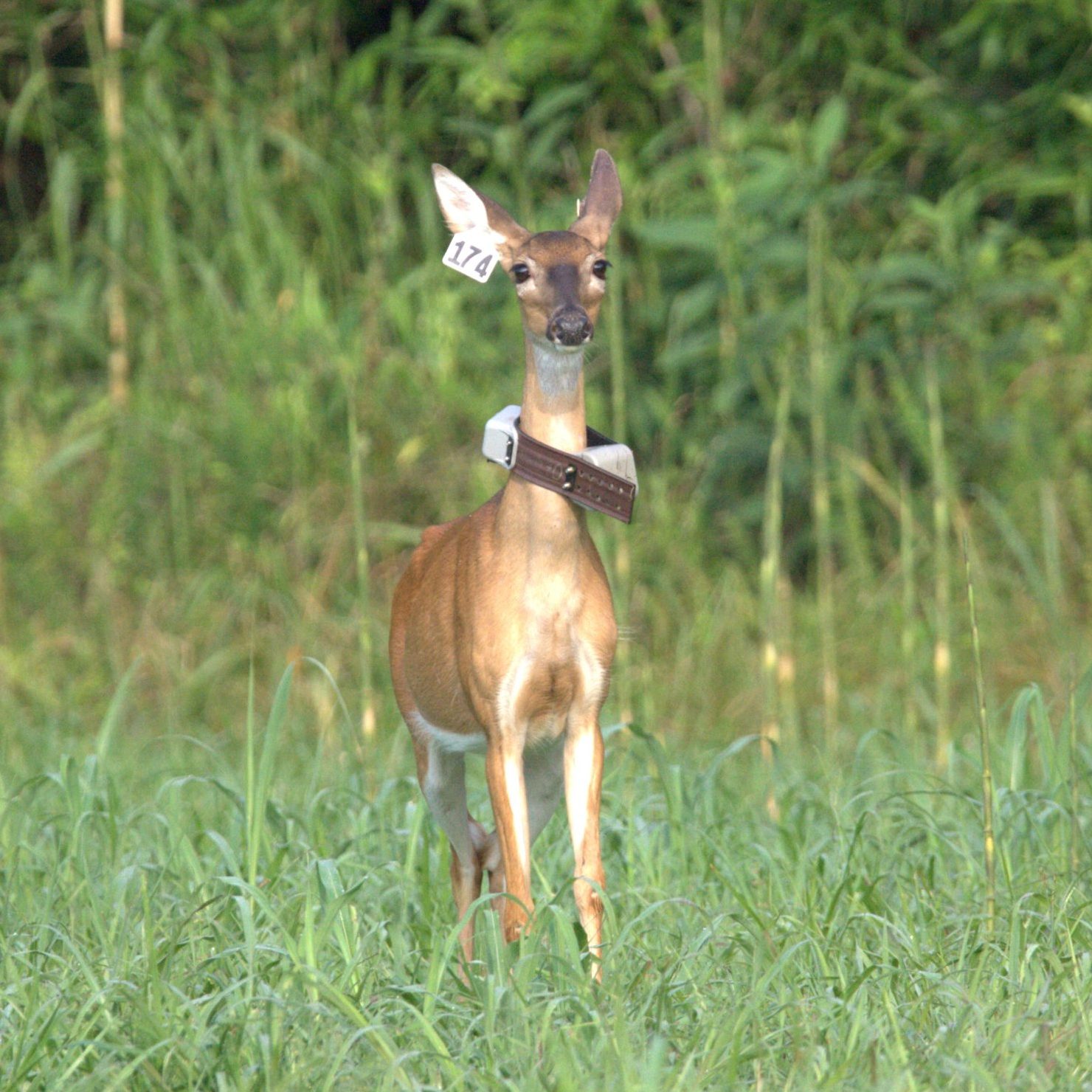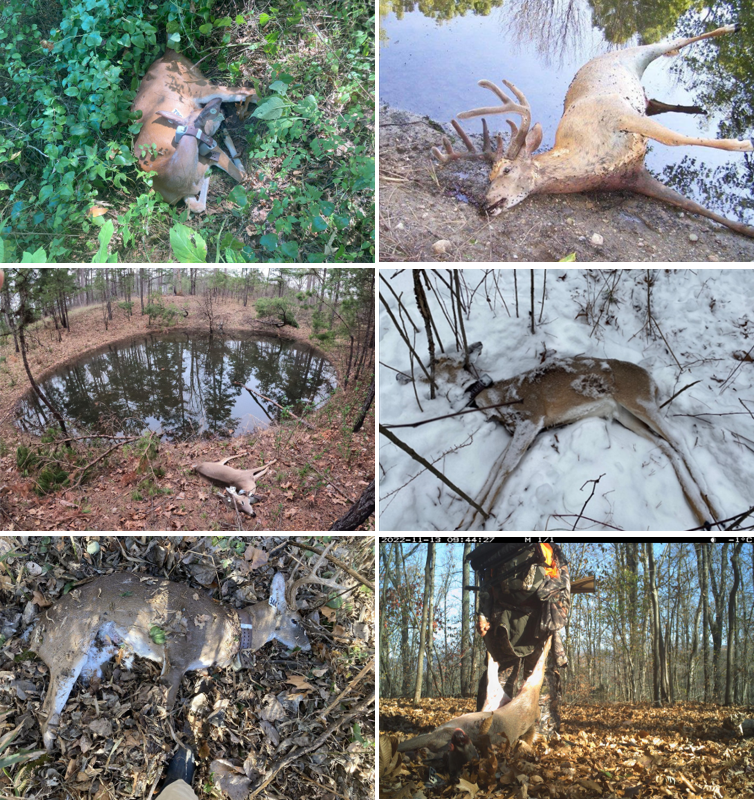
Chronic wasting disease (CWD) is a fatal neurological disease of deer discovered in 1967 in Colorado. In 2015, CWD was detected in elk in northwestern Arkansas, and in 2016 CWD was detected in white-tailed deer in the same region. Later testing indicated that CWD was in the state for decades and at high disease prevalence (>20%) in deer within a 10-county region in northern Arkansas. Hunting is the primary method used to manage deer populations throughout Arkansas, and the state wildlife agency has enacted several hunting regulations to minimize spread of CWD and reduce accumulation of CWD prions (infectious proteins) in the CWD-management zone. However, no previous field studies have been conducted to demonstrate the efficacy of hunting as a CWD control technique. Deer populations with CWD at high disease prevalence appear to be more susceptible to population declines. Efforts to control, contain, and monitor CWD in deer populations must be balanced with the potential for long-term recreational hunting opportunities. However, little is known about how CWD alters deer population numbers and quality. This project required the capture and monitoring of over 400 deer for the study and maintained grids of 273 trail cameras to estimate deer numbers.