
Projects

Coyote Populations in South Carolina

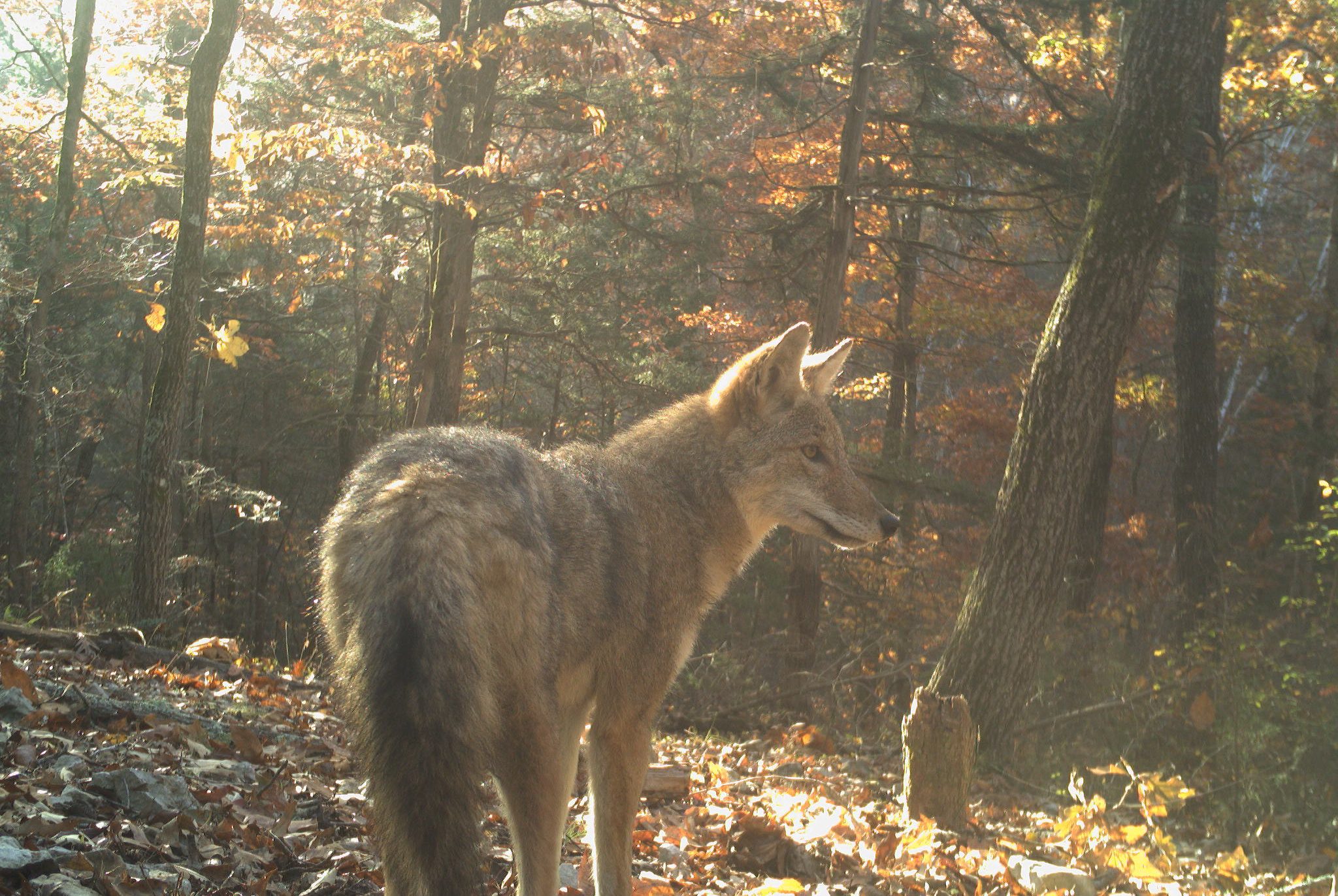
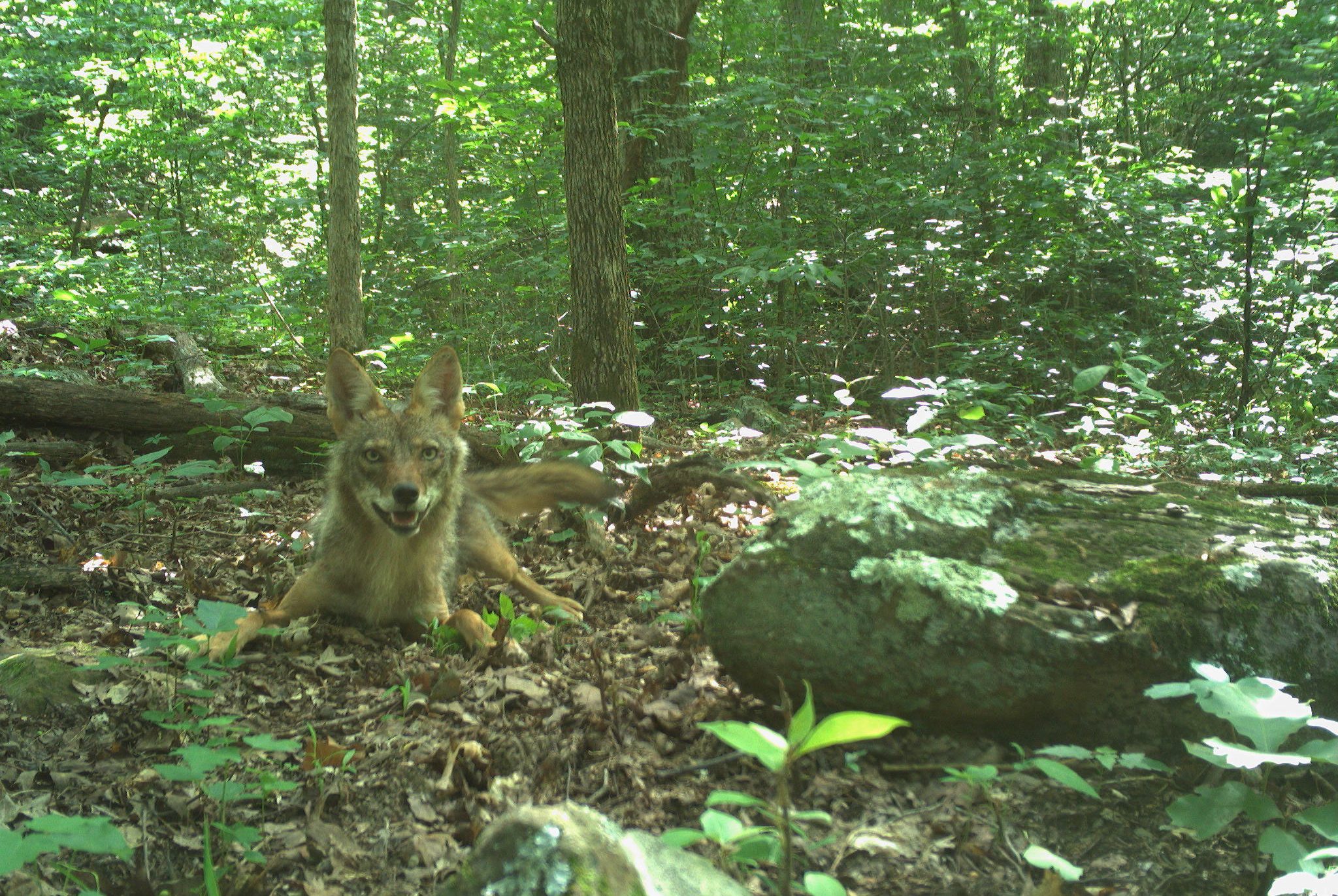
In the Southeastern United States, coyotes are a highly adaptable but controversial predator. Prior to 1900, coyotes were only found in the western two-thirds of North America, but have since spread to the majority of the continent. The expansion and increase of coyote populations has led to several management concerns including increased predation of livestock and declines in white-tailed deer populations. Coyotes are the main predator of white-tailed deer fawns and are a main driver in the decline of white-tailed deer populations in parts of the Southeast.

The abundance of coyotes directly influences deer population levels. However, coyote control programs are logistically challenging, cost prohibitive across broad areas, and their success can vary by year and site. Voids created by coyote removal become occupied by transient coyotes without an established range and coyotes from adjacent areas. Managers can attempt to adjust deer harvest to reduce mortality of adult female deer to offset coyote predation. But, knowledge of coyote populations within deer management units is essential to make effective deer management recommendations.
  1. Estimate coyote densities across regions of South Carolina.

  2. Evaluate coyote densities relative to landscape characteristics.

  3. Analyze springtime diets of coyotes, bobcats, and gray foxes.

  4. Evaluate movement patterns of coyotes to assess their repeated visits to foraging areas.

  5. Test whether coyote populations may increase because of disposal of wild pig carcasses from pig control programs.

  6. Develop an integrated population model with multiple sources of data to assess trends in coyote populations.
  • Dr. Gino D’Angelo
  • Dr. John Kilgo (U.S. Forest Service)
  • Dr. Jordan Youngmann
  • Dr. Stacey Lance (Savannah River Ecology Lab)
  • Dr. Heather Gaya
  • Charles Ruth (South Carolina Department of Natural Resources)
  • Jay Cantrell (South Carolina Department of Natural Resources)
  • South Carolina Department of Natural Resources

Project Objectives

  1. Estimate coyote densities across regions of South Carolina.

  2. Evaluate coyote densities relative to landscape characteristics.

  3. Analyze springtime diets of coyotes, bobcats, and gray foxes.

  4. Evaluate movement patterns of coyotes to assess their repeated visits to foraging areas.

  5. Test whether coyote populations may increase because of disposal of wild pig carcasses from pig control programs.

  6. Develop an integrated population model with multiple sources of data to assess trends in coyote populations.

Researchers

  • Dr. Gino D’Angelo
  • Dr. John Kilgo (U.S. Forest Service)
  • Dr. Jordan Youngmann
  • Dr. Stacey Lance (Savannah River Ecology Lab)
  • Dr. Heather Gaya
  • Charles Ruth (South Carolina Department of Natural Resources)
  • Jay Cantrell (South Carolina Department of Natural Resources)

Funding

  • South Carolina Department of Natural Resources