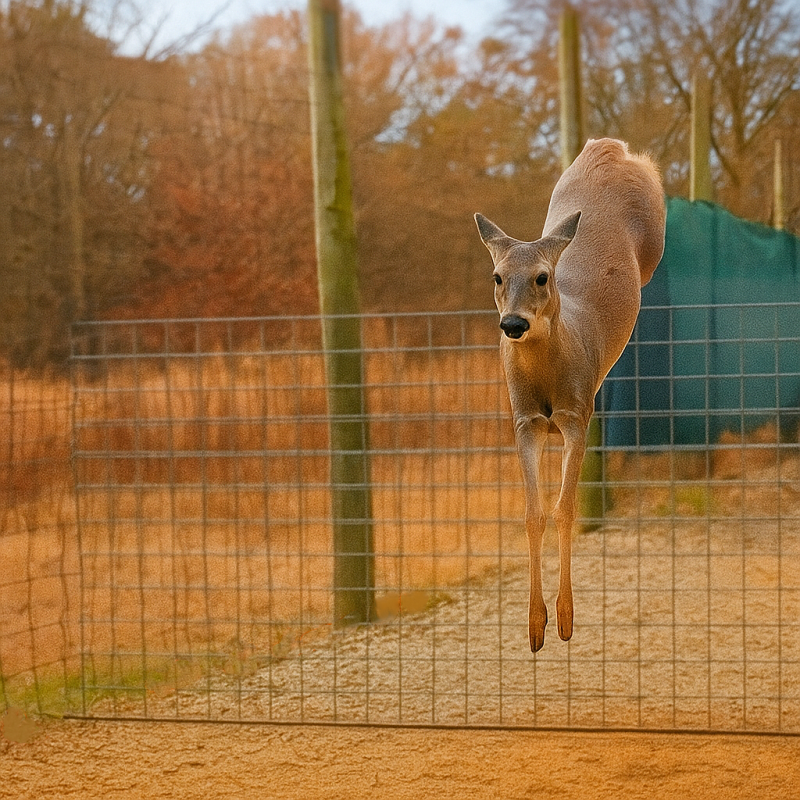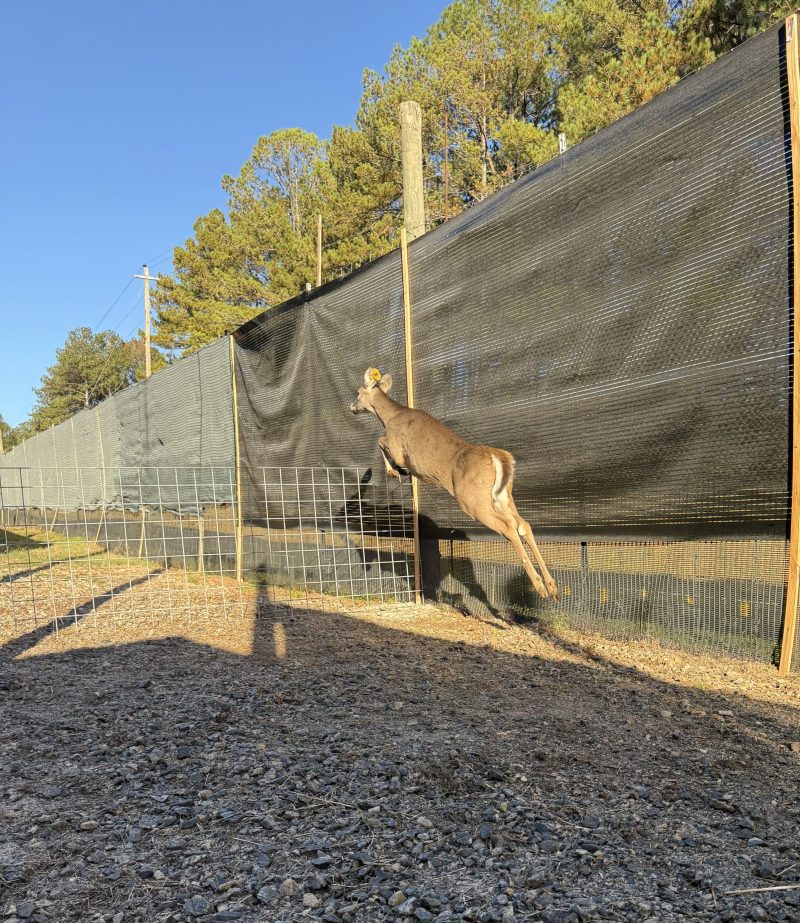
As urban sprawl increases, white-tailed deer have become more abundant across urban landscapes leading to increased deer interactions with residential fences. Decorative fences can create dangerous situations if a deer fails to jump over the fence effectively and becomes entangled in or on the fence. These emergencies present concerns for the welfare of deer and the safety of residents and responding personnel. Although fences greater than 10 feet in height are known to prevent deer crossings, little research has been done to examine deer interactions with common fence designs in suburban areas. Understanding where deer-fence conflicts occur in metro Atlanta and the design features of fences which are problematic would offer opportunities to engineer improved fences and to modify existing fences to reduce deer entanglements.
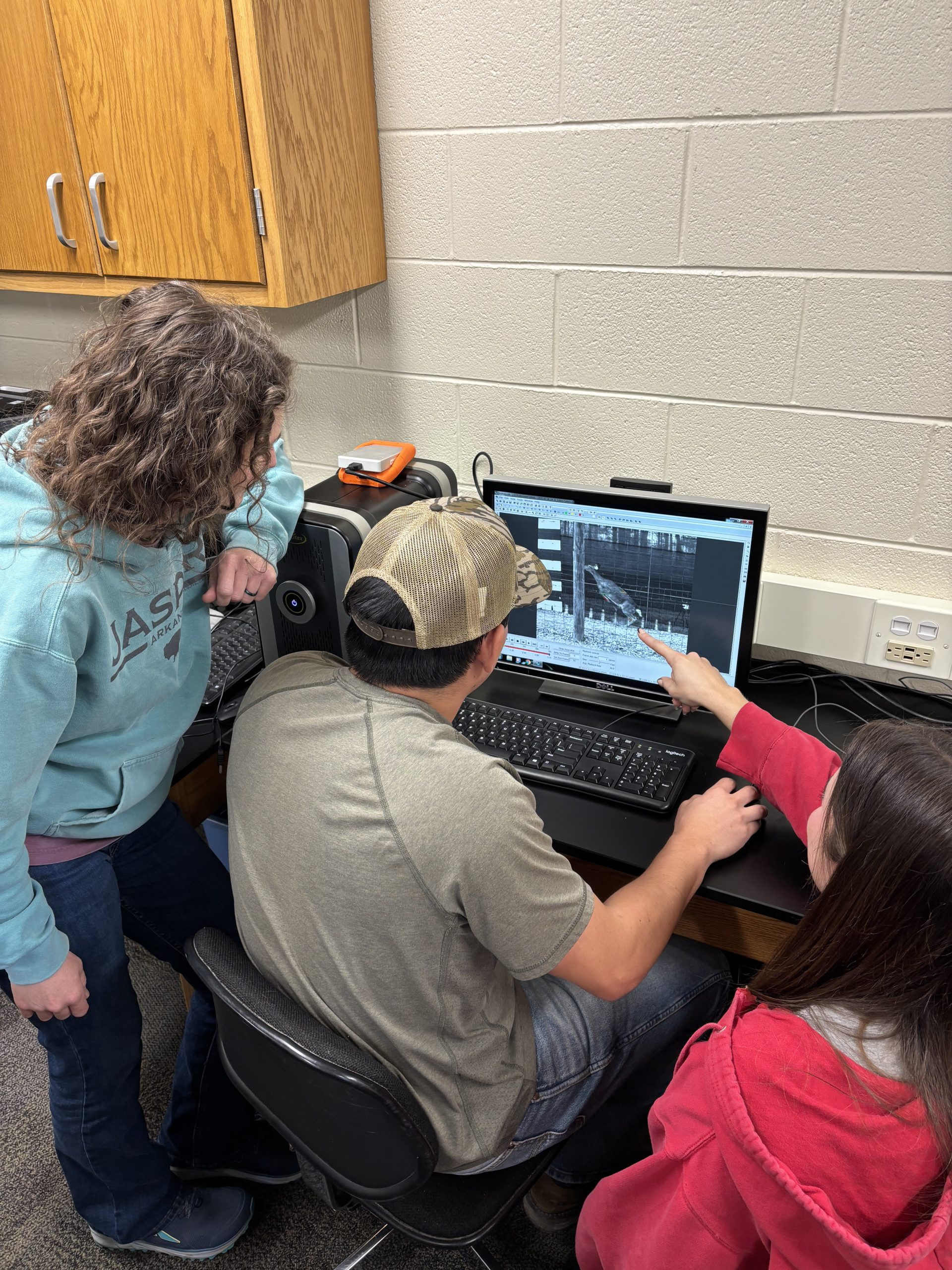
This study utilizes information from previous deer-fence conflicts and new data about jumping behavior of captive deer to guide fence modifications. Much of the research is being conducted at the Whitehall Deer Research Facility at the University of Georgia. Testing with captive deer jumping modified fencing and the landscaping surrounding fences demonstrate how deer-conflicts occur and inform how fences may be changed to reduce conflicts. Finally, residents are being surveyed to determine their preferences for fence modifications designed to reduce conflicts with deer relative to aesthetics, costs, practicality, and likelihood of reducing conflicts with deer. Ultimately, wildlife managers will be equipped with information to provide residents, municipalities, and homeowners associations wishing to reduce issues related to deer interacting with residential fences.