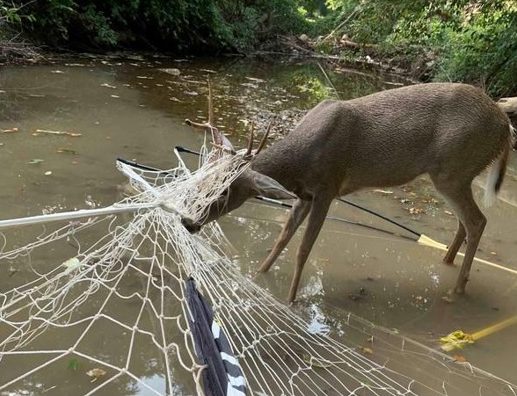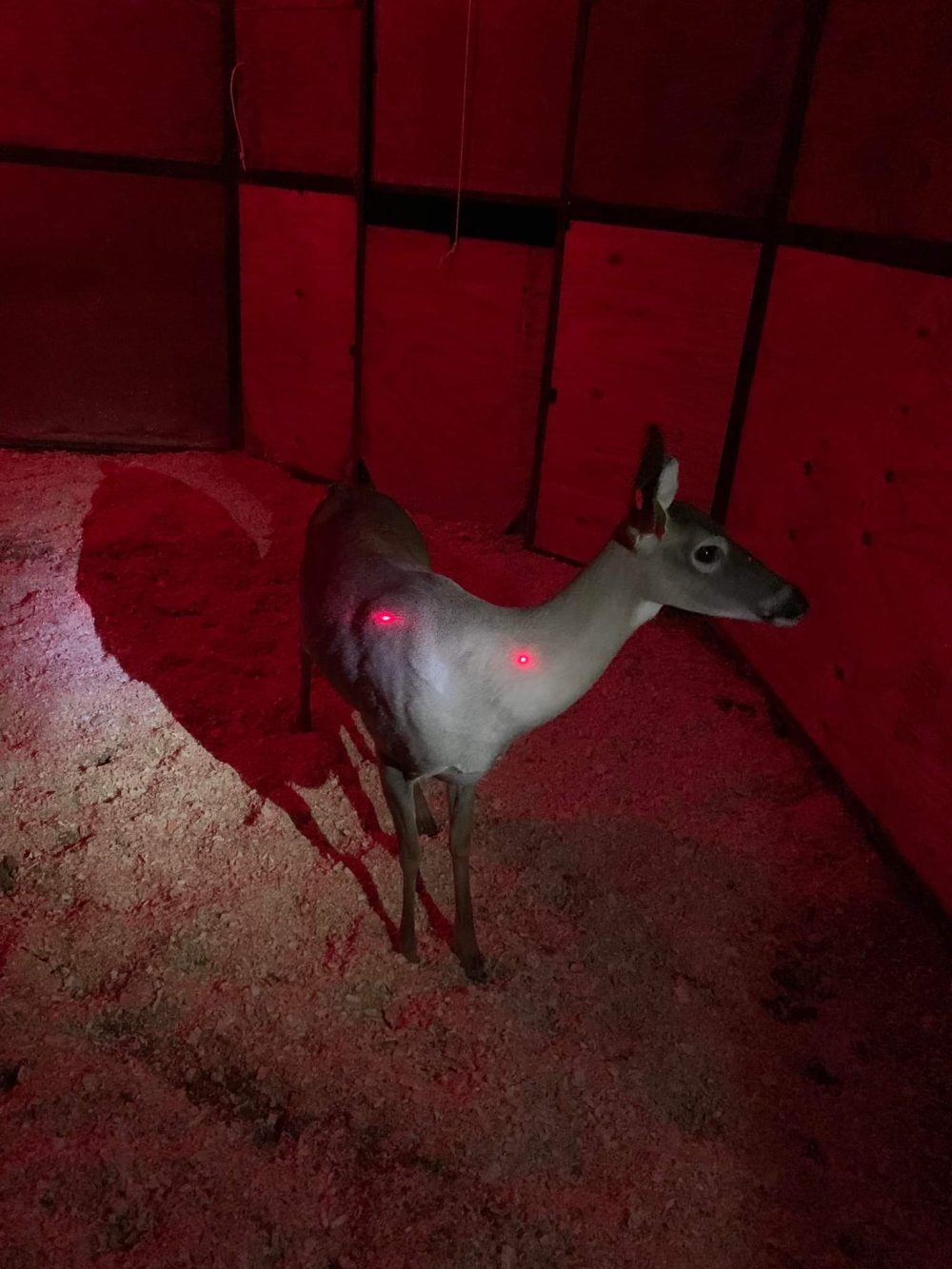
Managers must immobilize white-tailed deer for research purposes, sample collection, and in cases of deer involved in accidents (e.g., entanglements, entry into buildings). Techniques are limited by availability, concerns for safety of personnel and the public, and the welfare of animals. For example, many chemical immobilization drugs are available for use in deer, however hurdles to their use include required state and federal permits, specialized training, and expensive equipment. Also, their application is complicated by personnel response times, time required for the drug to take effect, and public safety concerns over drug residues in tissues of harvested deer. Emergency situations require effective techniques which are readily available. This research aimed to evaluate new techniques for temporary immobilization of deer. For example, conducted electrical weapons (e.g., Tasers™) were not previously tested on white-tailed deer. But, most law enforcement personnel carry conducted electrical weapons and are trained in their safe use making the technique well-suited for potential use in wildlife.